Finding the Right Burien top Residential Glass Installation for Quality Glass Solutions
Finding the Right Burien top Residential Glass Installation for Quality Glass Solutions
Blog Article
Professional Residential Glass Installation Options for Your Home
Qualified residential glass installation solutions offer homeowners a combination of functionality and visual charm. These experts assure that every installation meets safety standards while improving the overall look of the property. With a range of options available, from large windows to decorative glass, homeowners can find customized options. Comprehending the benefits and processes needed can significantly affect a property's worth, but what considerations should one consider before choosing?
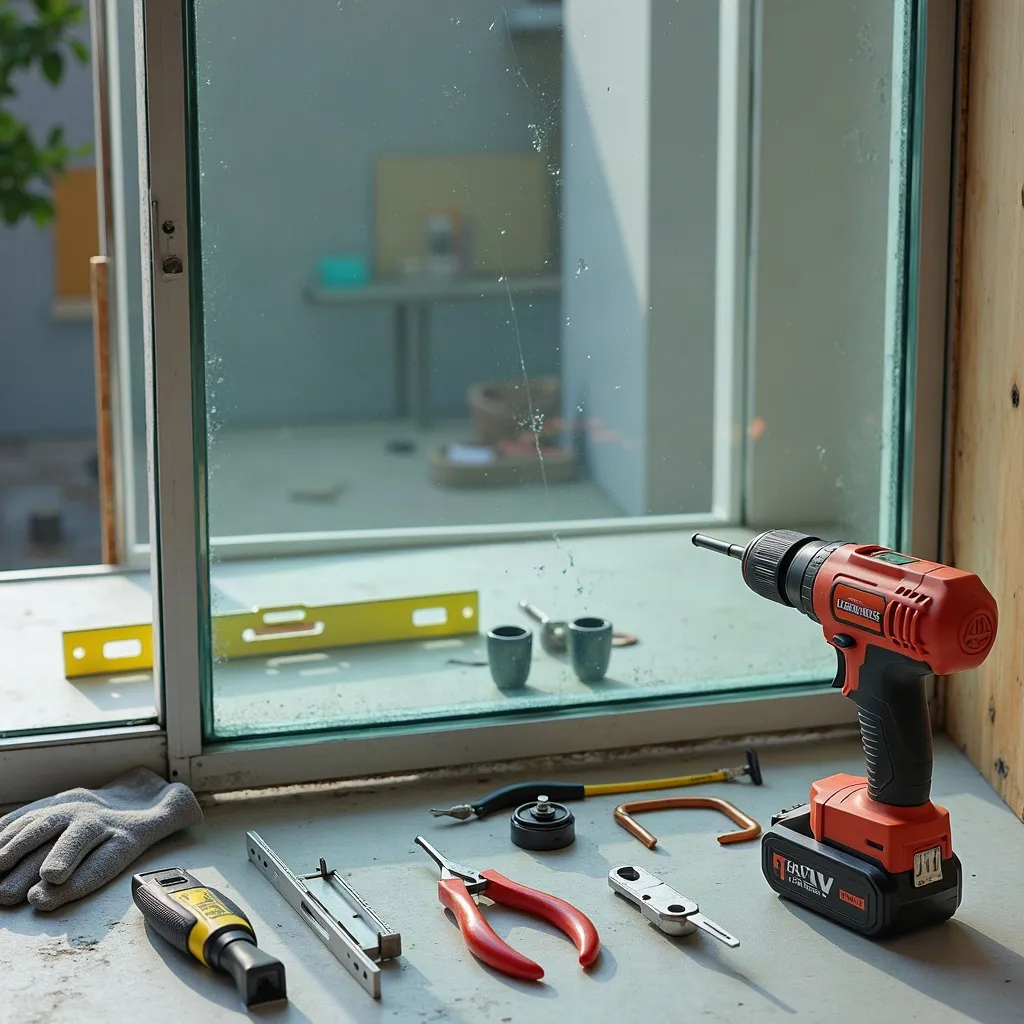
Why Select Expert Glass Placement Offerings?
Selecting professional glass installation services ensures a seamless and professional approach to enhancing residential spaces. Professionals possess the required expertise and knowledge to verify that installations meet safety standards and aesthetic requirements. Their understanding of different glass varieties and installation methods enables for tailored solutions that suit specific homeowner requirements.
Furthermore, professional services often supply warranties, giving peace of mind about the longevity and durability of the installation. This assurance is vital, as poor installation can produce problems such as leaks or structural weaknesses. Additionally, professionals commonly use quality materials and professional tools, ensuring a finished product that is both functional and appealing.
Browse the Finest Types of Glass Installations for Your Home
What types of glass installations can transform a home's look and functionality? Various options are available, each delivering unique perks. For example, large picture windows create a seamless connection between indoor and outdoor spaces, enhancing natural light and views. Sliding glass doors serve as stylish dividers, facilitating for easy access to patios and gardens while preserving an open feel.
Another preferred pick is glass railings, which ensure safety without blocking sightlines, optimal for balconies or staircases. Additionally, glass shower enclosures enhance bathroom design, swapping traditional curtains or screens with sleek, modern alternatives.
In conclusion, decorative glass options, like stained or frosted glass, can improve entryways or interior spaces with a personal touch. Each type of installation plays a role not only to the visual appeal but also to the overall functionality of a home, making informed choices essential for homeowners.
Why Energy Efficiency Counts When Picking Glass?
When selecting glass for residential installations, energy efficiency is a critical concern. Enhanced insulation performance can yield remarkable cost savings over time, benefiting both homeowners and the environment. Understanding these factors can guide informed choices that contribute to responsible living.
Insulation Performance Advantages
While multiple factors influence the selection of residential glass, energy efficiency ratings stands out as a vital consideration for enhancing energy efficiency. High-quality insulated glass units (IGUs) substantially minimize heat transfer, keeping homes cozy in winter and cool in summer. This thermal regulation cuts down on reliance on air conditioning and heating systems, in the end lowering energy consumption. Additionally, cutting-edge solutions such as low-emissivity coatings and argon gas fills improve insulation performance, continuing to boost energy efficiency. Homes equipped with superior insulation glass benefit from a more stable indoor climate, contributing to comfort and minimizing the risk of condensation. Consequently, investing in high-performance insulation glass not only supports environmental sustainability but also enhances overall living conditions for residents.
Cost Reductions Over Time
Energy conservation plays a significant role in the long-term financial advantages of residential glass selection. By choosing energy-saving glass options, homeowners can reduce their power usage, leading to lower utility bills. Energy-efficient windows minimize heat transfer, ensuring that homes remain chiller in the summer and cozier in the winter. This reduction in energy usage not only reduces costs but also improves overall comfort. Additionally, energy-efficient glass often is eligible for tax credits or rebates, providing additional monetary benefits. Over time, the initial investment in quality glass can yield considerable savings, making it a prudent choice for homeowners. Ultimately, prioritizing energy efficiency in glass selection contributes to both economic and comfort benefits in residential settings.
Nature-related Impact Evaluations
In what ways can the selection of glass impact the environment? Choosing energy-efficient glass greatly contributes to lowering a home’s carbon footprint. High-performance glazing helps to minimize heat material transfer, which results in lower energy use for heating and cooling. This reduction in energy consumption means less greenhouse gas emissions from power plants. Moreover, opting for durable, recyclable glass options advances sustainability by decreasing waste and conserving resources. Energy-efficient glass also enhances indoor comfort, reducing dependence on artificial lighting and heating. In the end, homeowners who emphasize environmentally friendly glass choices not only save energy but also aid environmental conservation efforts. Making well-informed choices about glass is essential to a sustainable future.
Key Elements to Think About When Selecting Glass for Your Home
Selecting the suitable glass for a home requires meticulous evaluation of multiple variables that can greatly shape both appearance and usefulness. First, property owners should evaluate the kind of glass, such as heat-treated, bonded, or dual-pane, each providing distinct perks regarding safety and insulation. Second, width holds a considerable role; denser glass gives improved sound insulation and durability.
Energy efficiency represents another essential aspect; low-emissivity (Low-E) coatings can minimize energy costs by reflecting heat. Furthermore, the style and design of the glass should suit the architectural features of the home, creating a cohesive look.
In conclusion, local climate conditions may direct the choice of glass; as an illustration, homes in colder regions may profit from insulated glazing. By methodically assessing these factors, homeowners can determine the most suitable glass to optimize their living spaces.
What to Anticipate During the Glass Fitting Procedure?
During the glass placement process, property owners will encounter several key stages. It begins with an initial consultation to examine specifications and inclinations, followed by a well-organized installation day plan. After installation, care recommendations will guarantee the persistence and preservation of the new glass features.
Initial Meeting Overview
The initial consultation for home glass installation sets the stage for a positive outcome. Homeowners can anticipate a thorough assessment of their requirements and desires during this meeting. A experienced consultant will come to assess the space, review style choices, and suggest suitable glass types, taking into account factors such as aesthetics, energy efficiency, and safety. Homeowners are encouraged to ask questions and express any specific concerns they may have. This joint conversation helps ensure that the project corresponds with the homeowner's goals and financial constraints. Additionally, the consultant will outline the timeline and process, providing clarity on what to anticipate going ahead. Overall, this initial meeting is essential for setting a solid foundation for the installation process.
Installation Day Protocol
Following the first consultation, homeowners can expect a efficient installation day. The process usually begins early in the morning, with the arrival of the installation team, who will examine the site and prepare the area. Protective coverings may be laid down to shield existing surfaces. The capable technicians will expertly remove any old glass before installing the new pieces, ensuring proper alignment and fit. Communication remains key throughout the process; homeowners will be updated on progress and any possible concerns. Once the installation is done, the team will carry out thorough inspections, verifying that everything meets quality standards. Lastly, the area will be cleaned, leaving homeowners with beautiful, newly installed glass ready for use.
After-Installation Care Tips
Once the installation is complete, homeowners need to be aware of important post-installation care tips to secure the longevity and clarity of their new glass. Firstly, it is crucial to avoid any sudden temperature changes, as these may stress the glass. Homeowners should also avoid cleaning the glass for at least a week to allow any adhesives to properly cure. When cleaning does begin, it is recommended to use a soft, lint-free cloth combined with a gentle glass cleaner to prevent scratches. Frequent inspections for any moisture or sealant failure signs are advised. Furthermore, homeowners should watch the surrounding areas to avoid accidental impacts that might harm the glass. Adhering to these tips will help maintain the aesthetics and functionality of the newly installed glass.
Increase Your Home's Worth With Skilled Glass Placement
Enhancing a home's visual appeal and efficiency can greatly elevate its property value, and expert glass installation plays a key role in this transformation. Superior glass installations, such as new windows, patio doors, or glass railings, not only improve visual appeal but also enhance energy efficiency. Quality insulation and modern glazing techniques can cut energy costs, making homes more attractive to potential buyers.
Additionally, expertly designed glass placements can establish a uninterrupted flow between indoor and outdoor spaces, inviting natural light and creating a sense of light and space. This appeal is notably valued in today's real estate market, where buyers seek homes that provide both style and sustainability.
Additionally, the expertise of professional installers ensures that the glass is fitted safely, minimizing chances of damage or future maintenance issues. Overall, investing in expert glass installation not only beautifies a home but also greatly boosts its resale value.
Often Asked Queries
How Long Will a Standard Glass Application Take?
A standard glass installation generally takes around 2-4 hours, depending on the project's size and complexity. Considerations such as preparation, climate, and the type of glass can also influence the timeline.
Are Warranties Available for Glass Installations?
Absolutely, warranties on glass installations are generally provided, equipping customers with confidence and security. The duration and terms of these warranties could differ, so it's recommended to inquire about particular information during the consultation meeting.
What Types of Payment Methods Do You Accept?
They accept multiple ways to pay, including major credit cards, debit cards, and cash. Furthermore, payment plans may be available, guaranteeing options for customers to choose a payment plan that best meets their needs.
Will You Support With Glass Fixing Assistance as Well?
Yes, they offer glass restoration services, addressing multiple problems such as fractures and breaks. Their experienced professionals ensure prompt and effective repairs, returning the structural quality and visual appeal of residential glass installations for homeowners.
What Safety Procedures Are Applied During the Installation?
As the team conducts the installation, they institute various safety measures, involving wearing protective gear, securing work areas, following proper lifting techniques, and making certain that all tools and materials satisfy safety standards to avert unsafe incidents and physical harm.
Report this page